
Master the Art of Organic Ingredient Cooking
Discover traditional and modern cooking methods that preserve the nutritional integrity and natural flavors of organic ingredients. Learn from experienced instructors who are passionate about plant-based cuisine and sustainable food practices.
The information on this site is for educational purposes only and does not constitute medical advice. Always consult a qualified healthcare professional before making health decisions.
Why Organic Ingredients Matter
Organic ingredients are grown without synthetic pesticides, artificial fertilizers, or genetic modification. When you understand how to properly prepare and cook these ingredients, you unlock their full potential—vibrant colors, robust flavors, and maximum nutrient density. Our course philosophy centers on respecting the integrity of each ingredient throughout the cooking process.
Different cooking methods affect organic produce and grains in unique ways. Steaming preserves delicate vitamins, roasting develops complex flavors, and slow-cooking breaks down tough fibers while maintaining beneficial compounds. Learning which method suits each ingredient transforms you into a confident, intentional cook.
Our community of learners shares a commitment to food quality, environmental responsibility, and eating in alignment with their values. Whether you're exploring plant-based cooking, preparing family meals, or deepening culinary skills, this course meets you where you are.
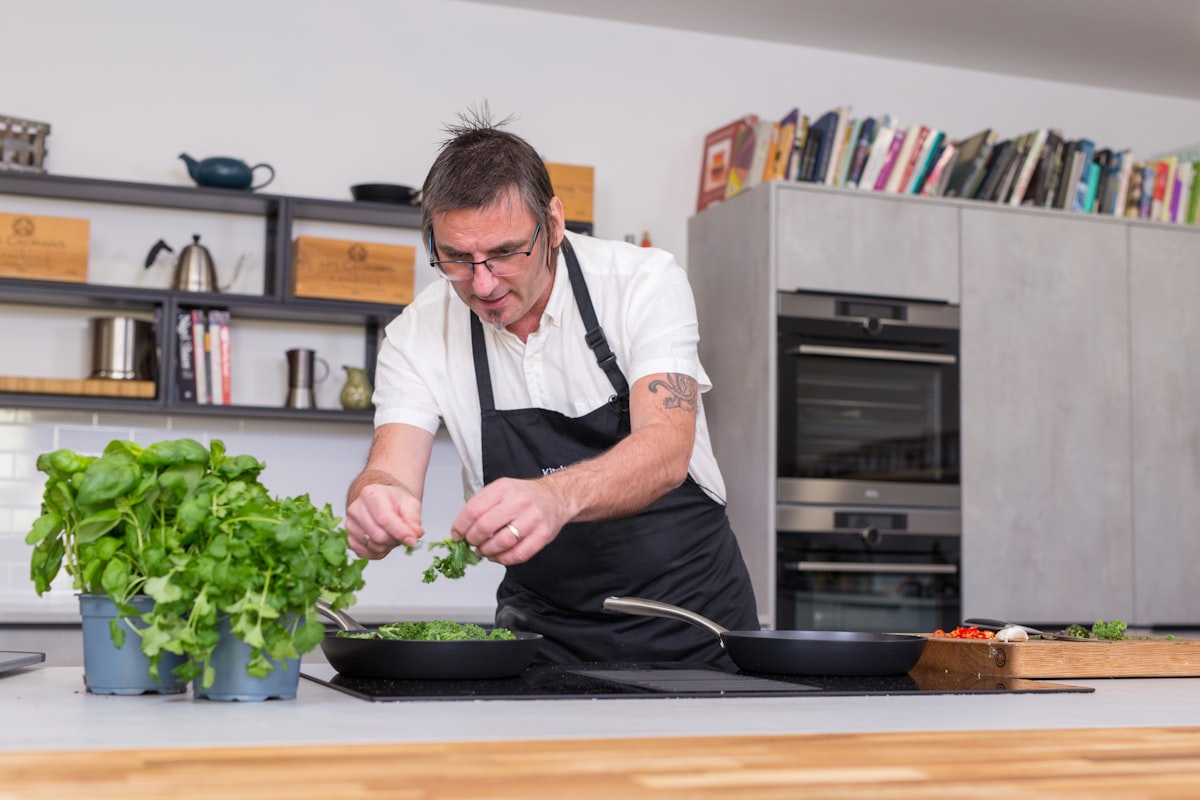
Five-Step Cooking Methodology
Our systematic approach to organic ingredient preparation ensures you consistently achieve excellent results while preserving nutritional value and flavor.
Selection & Assessment
Learn to choose the freshest organic ingredients and evaluate their quality, ripeness, and readiness for specific cooking methods.
Cleaning & Preparation
Master proper washing, trimming, and prep techniques that remove impurities while preserving skin, nutrients, and natural flavors.
Method Selection
Understand which cooking method—steaming, roasting, sautéing, simmering, or raw—best suits each ingredient and desired outcome.
Cooking Execution
Apply precise timing, temperature control, and technique to bring out optimal flavor and nutrition without damaging delicate compounds.
Finishing & Storage
Learn seasoning, plating techniques, and proper storage methods to maintain freshness, flavor, and nutritional value after cooking.
Ingredient Transformations
See how different cooking methods affect the same organic ingredients, unlocking unique flavors and textures.
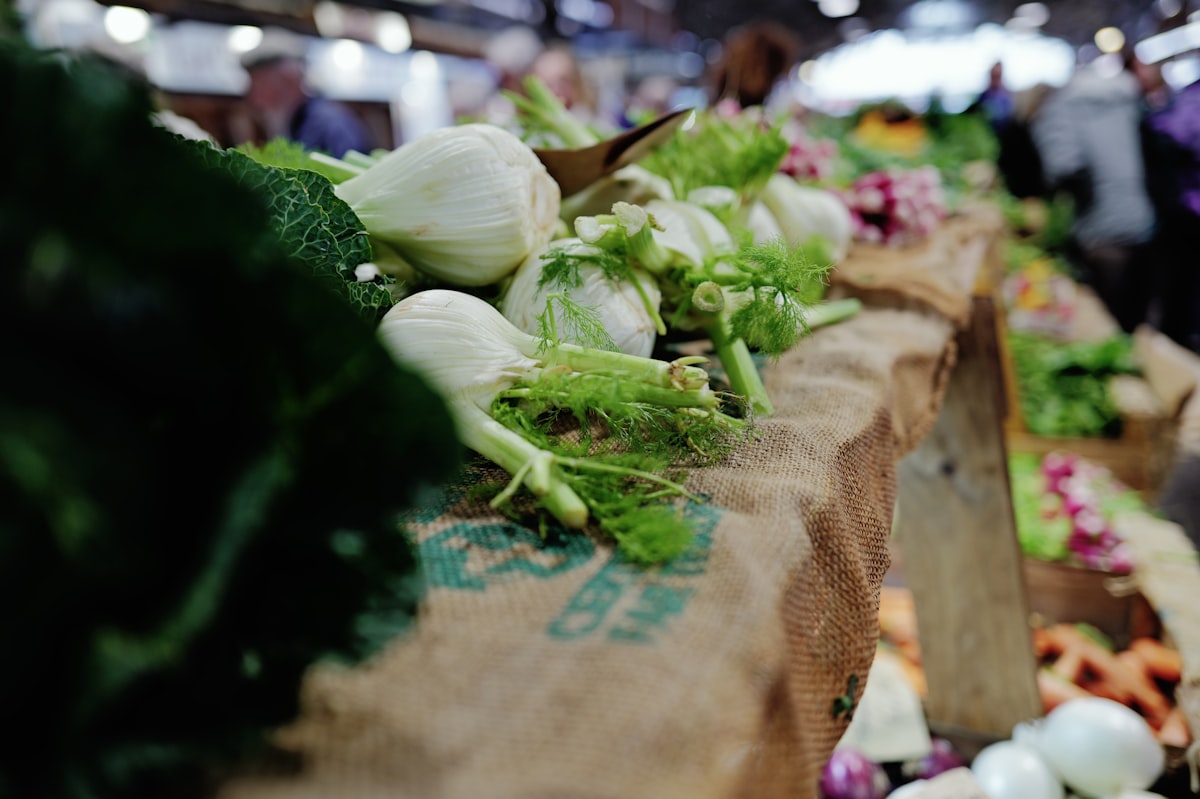
Kale: Raw vs Steamed vs Roasted
Raw kale maintains maximum enzyme activity and crisp texture. Steaming softens the leaves while preserving most vitamins. Roasting develops deep umami flavors and creates crispy chips. Each method serves different culinary purposes.
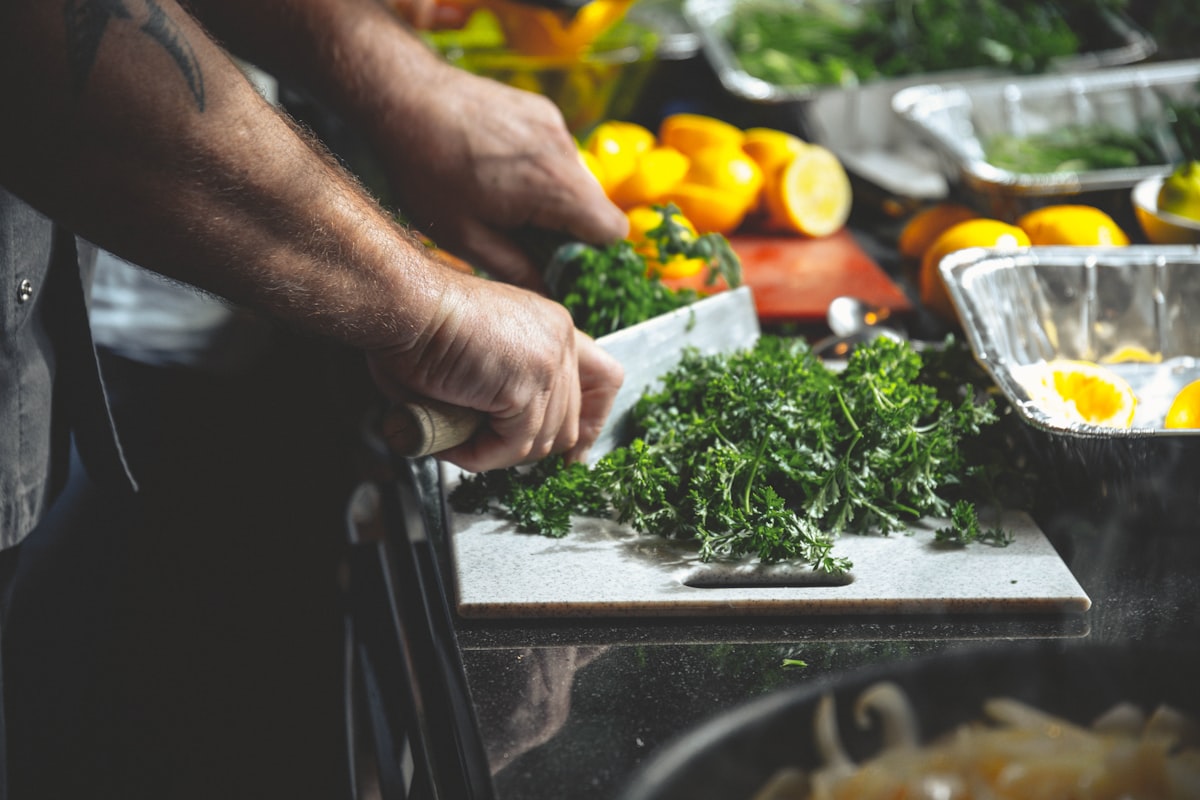
Root Vegetables: Slow Cooking Mastery
Low-temperature slow cooking allows complex sugars to caramelize naturally while fiber breaks down for better digestibility. Discover how extended cooking times concentrate natural sweetness without adding refined sugars.
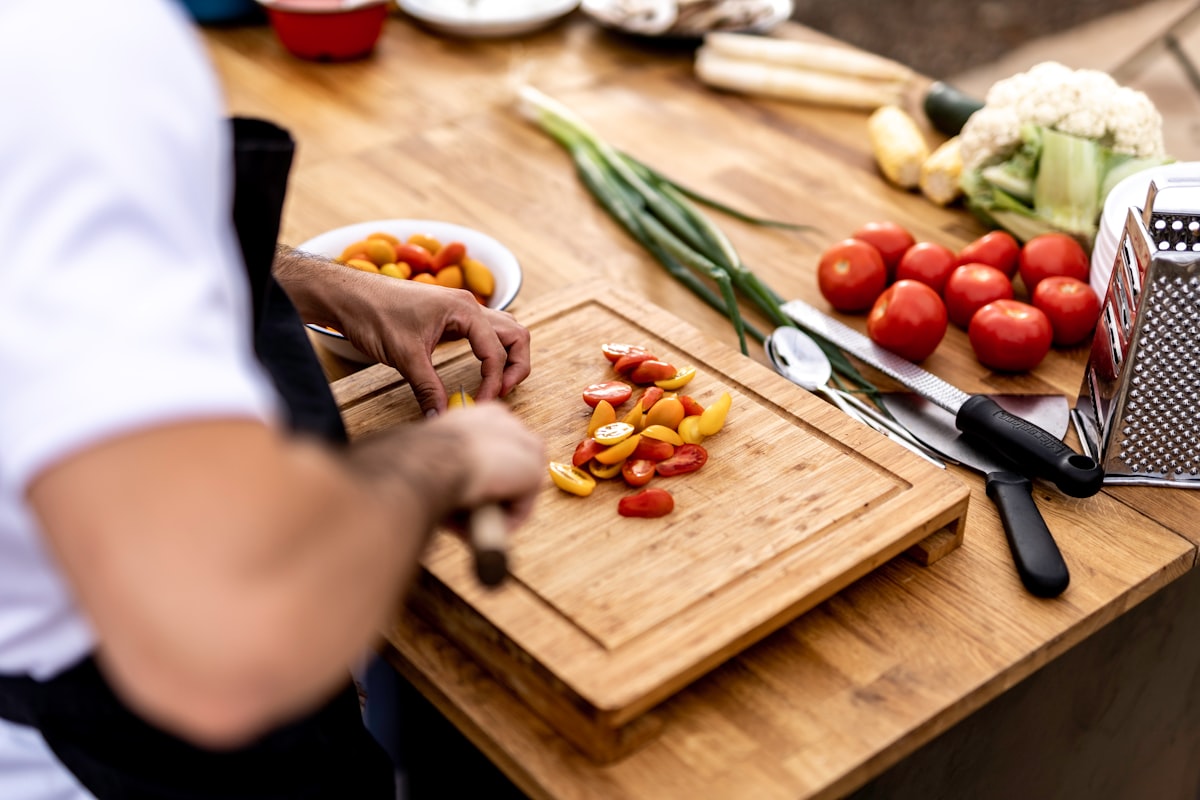
Ancient Grains: Soaking & Sprouting
Proper soaking reduces antinutrients and makes minerals more bioavailable. Sprouting increases vitamin content and enzyme activity. Learn traditional grain-preparation techniques used for centuries across cultures.
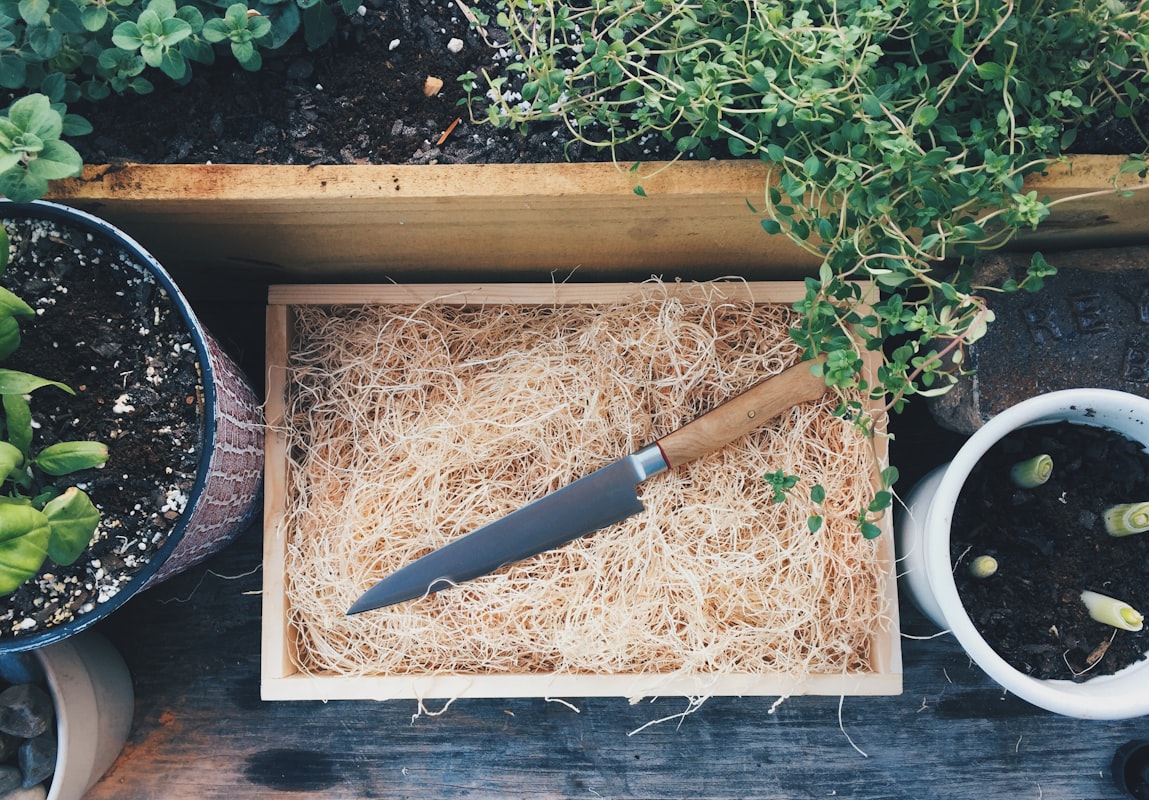
Herbs: Timing and Temperature
Delicate herbs lose potency with extended heat. Learn when to add fresh herbs at the end, when to infuse oils with slow-cooked varieties, and how to preserve volatile compounds that contain beneficial compounds.
Course Learning Outcomes
Organic Ingredient Knowledge
Understand the unique properties of organic produce, grains, legumes, and seasonings. Learn which seasons yield peak flavor and nutrition, and how to source quality ingredients from local and regional suppliers.
Cooking Methods & Techniques
Master five core cooking methods: steaming, roasting, sautéing, simmering, and raw preparation. Develop hands-on skills in temperature control, timing, and technique adjustments based on ingredient characteristics.
Meal Planning & Composition
Learn to build balanced, satisfying meals combining proteins, healthy fats, and abundant vegetables. Understand flavor pairing, texture balance, and how to create diverse menus throughout the week using seasonal ingredients.
Nutrient-Preserving Practices
Understand how cooking affects vitamins, minerals, and beneficial phytonutrients. Learn which methods maximize nutrient retention and how to adjust recipes to keep prepared meals as nourishing as possible.
Storage & Food Safety
Master proper storage techniques to extend shelf life and maintain quality. Learn food safety principles specific to organic ingredients and how to safely prepare meals in advance for busy weeks.
Sustainable Kitchen Practices
Explore zero-waste cooking strategies, composting options, and reducing kitchen waste. Learn how to use whole ingredients creatively and align your cooking practices with environmental and ethical values.
What Our Learners Say
This course completely transformed how I approach cooking at home. I now understand why certain methods work better for specific vegetables, and my family has noticed how much more vibrant and flavorful our meals have become. The combination of science and practical technique is exactly what I needed to build confidence in the kitchen.
Michelle Hoffmann
Berlin, Germany
Learning about organic ingredients directly from experienced instructors gave me context I never had before. I feel so much more intentional about what I buy and how I prepare it. This course feels like joining a community of people who genuinely care about food.
Thomas Weber
Cologne, Germany
As someone transitioning to plant-based eating, the meal composition lessons helped me stop defaulting to pasta and rice. Now I confidently create balanced, diverse meals using seasonal vegetables. My energy levels have improved dramatically since making these dietary shifts.
Anna Schneider
Munich, Germany
I loved learning the five-step methodology because it gives me a framework I can apply to any ingredient. Whether I'm cooking something familiar or trying something entirely new, I know exactly what to consider at each stage. This has made cooking feel less intimidating and more enjoyable.
Klaus Fischer
Hamburg, Germany
Frequently Asked Questions
No. This course is designed for home cooks of all experience levels. Whether you're preparing your first meals or seeking to deepen existing skills, the material accommodates your current knowledge. Beginners learn fundamental techniques, while experienced cooks explore how to optimize their approach for organic ingredients specifically.
You'll benefit most from basic equipment: sharp knives, cutting boards, quality pots and pans, a vegetable steamer, and measuring tools. The course emphasizes that you don't need expensive gadgets—simple, well-maintained tools are often better. We provide recommendations for both budget-conscious and premium options during the course.
Absolutely. The cooking methods and techniques are universal and work beautifully with any quality ingredients. However, organic ingredients often respond slightly differently due to their growing conditions and handling practices. Understanding these differences allows you to cook with intention regardless of ingredient sourcing.
Yes, our course emphasizes plant-forward cooking with abundant vegetables, grains, and legumes. Many learners are exploring or following plant-based diets. That said, the methodology applies to all ingredient types, so omnivorous cooks also find tremendous value in the content.
The structured course takes approximately 6-8 weeks at a comfortable pace, with 2-3 hours of learning per week. However, you work at your own speed and can revisit modules as needed. Most learners report that the practical skills become intuitive within 8-12 weeks of regular cooking practice.
Yes. The course includes seasonal recipe collections featuring organic ingredients and prepared using the techniques you'll learn. We also provide weekly meal plan templates that you can customize based on your preferences and what's available locally. The emphasis is on teaching you to adapt recipes and create your own based on the principles we cover.
Ready to Transform Your Cooking?
Join our community of thoughtful home cooks learning to prepare organic ingredients with intention, skill, and respect for their natural qualities. Access comprehensive course materials, expert guidance, and proven techniques that work in real kitchens.
Stay Updated with Articles & Tips
Get regular insights about seasonal organic ingredients, cooking technique deep-dives, and kitchen wisdom from our editorial team. Join our growing community of conscious home cooks.