
Master Organic Cooking with Authentic Methods
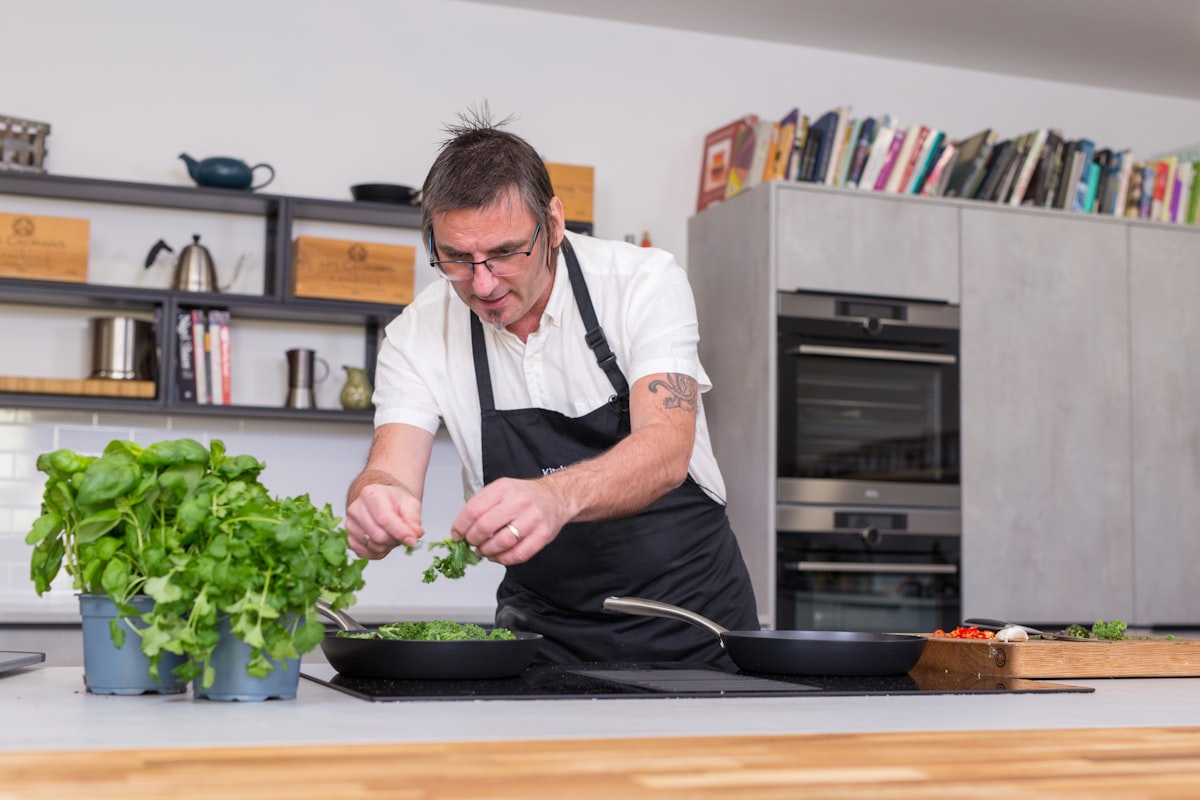
Discover the art and science of cooking with organic ingredients. Our comprehensive course teaches you proven techniques used by professional chefs and home cooks across Europe.
- Learn sustainable ingredient sourcing and selection
- Master foundational cooking techniques for whole foods
- Create nutritious meals with seasonal, local produce
- Build meal plans that support your culinary goals
The information on this site is for educational purposes only and does not constitute medical advice. Always consult a qualified healthcare professional before making health decisions.
Visual Journey Through Ingredient Sourcing
Explore the complete process from farm to kitchen — understanding how to select, store, and prepare the finest organic ingredients.
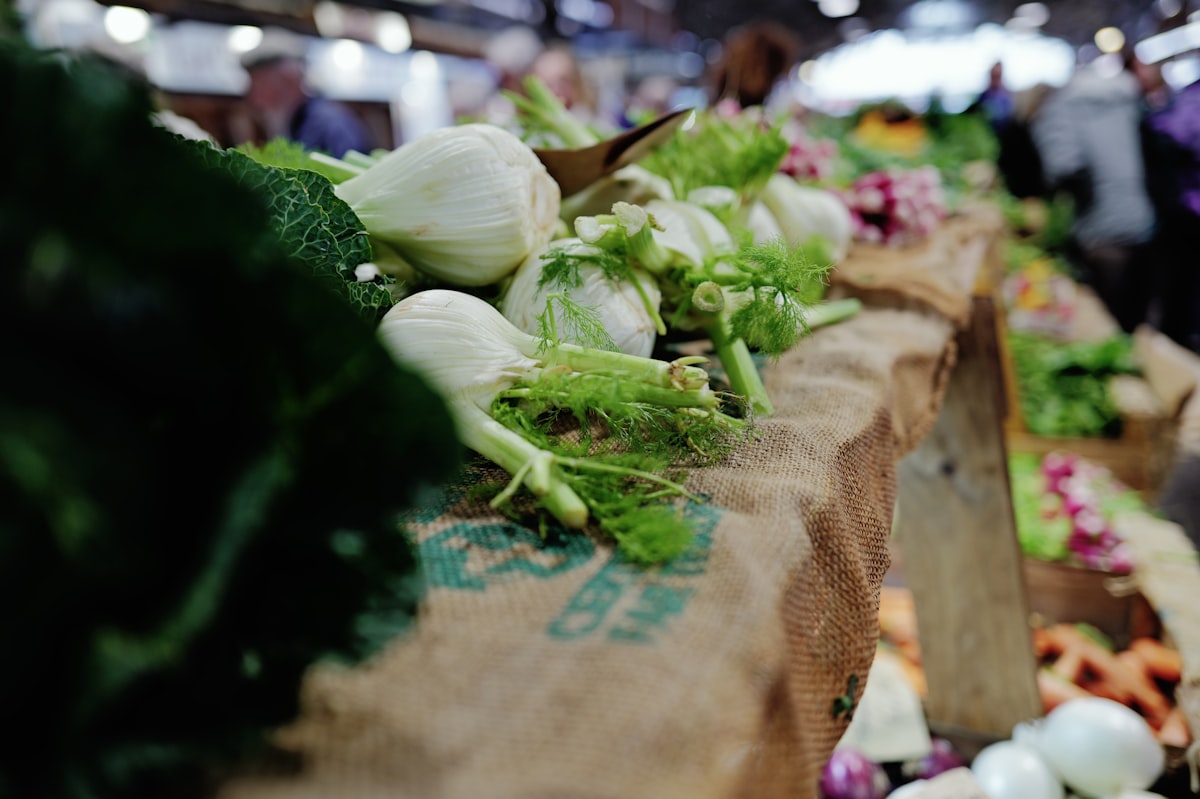
Farmers Market Selection
Learn to identify peak-season produce and build relationships with local growers who share your commitment to organic farming.
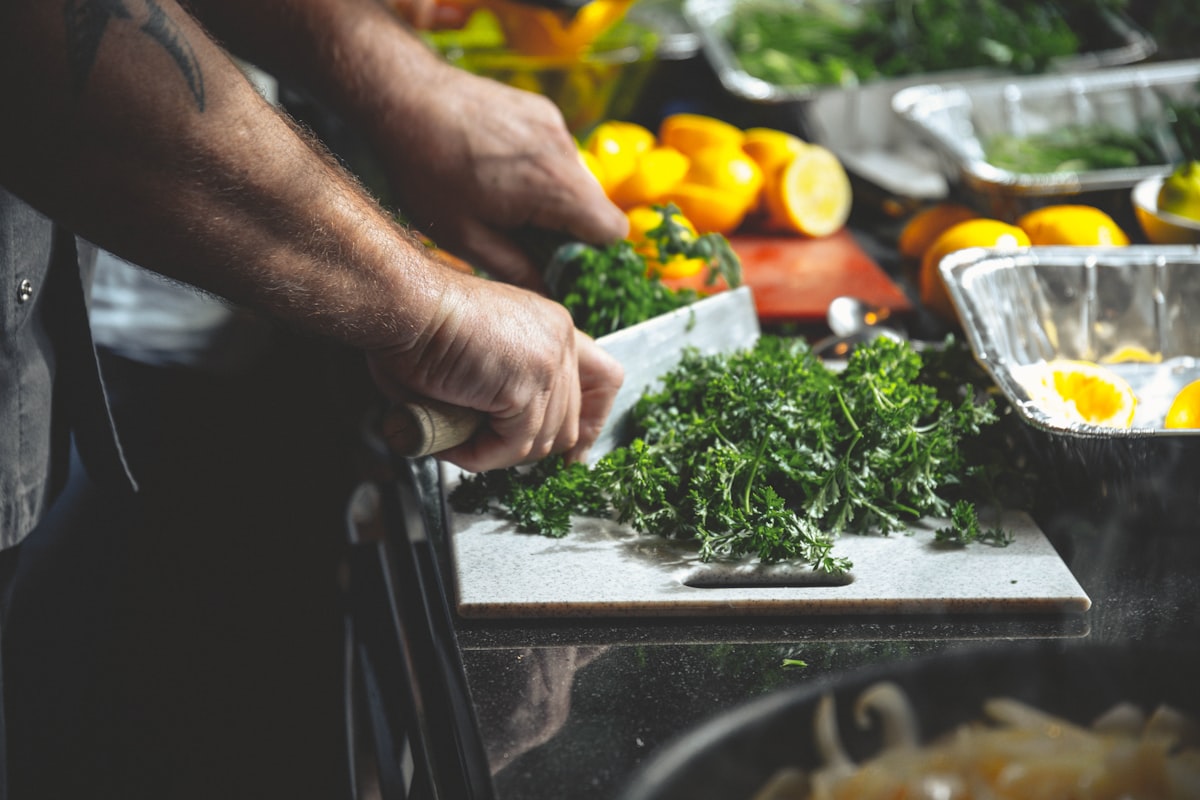
Pantry Organization
Master the essentials of storing organic grains, spices, and dried goods to maintain freshness and maximize nutritional value throughout the year.
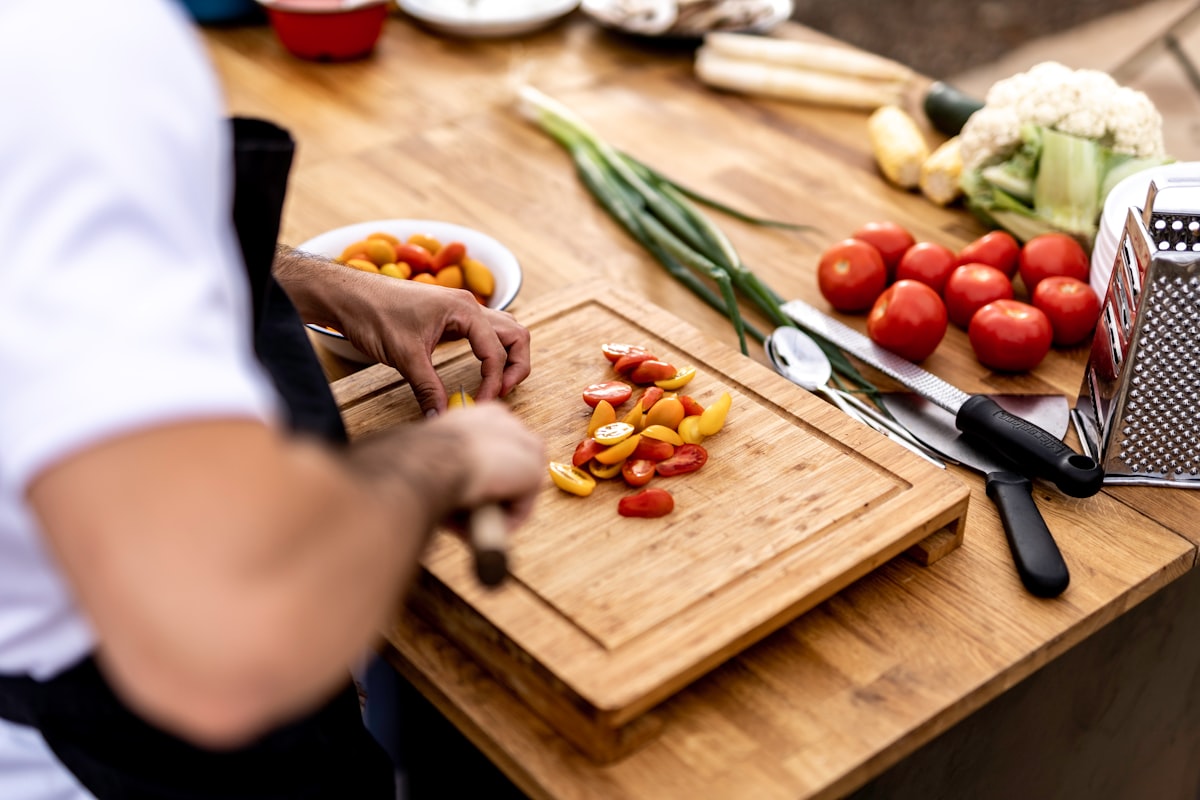
Whole Foods Preparation
Discover how to handle whole grains, legumes, and fresh produce with techniques that preserve nutrients and enhance natural flavors.
Join Our Growing Community of Organic Cooking Enthusiasts
Subscribe to our newsletter for weekly articles, seasonal recipes, and practical tips for cooking with organic ingredients.
Five-Stage Learning Pathway
Our course is structured to take you from fundamentals to advanced techniques, building confidence with each module.
Organic Ingredients Fundamentals
Understand the difference between organic and conventional farming, learn certification standards, and explore the environmental and nutritional benefits of choosing organic produce, grains, and proteins.
Seasonal Sourcing & Storage
Learn how to shop seasonally, build relationships with local organic farmers and suppliers, and master proper storage techniques to keep your ingredients fresh and nutrient-dense.
Essential Cooking Techniques
Master foundational methods including proper knife skills, various cooking temperatures, fermentation basics, and how different techniques affect nutrient retention in whole foods.
Building Balanced Meals
Learn to compose meals that combine organic proteins, whole grains, fresh vegetables, and healthy fats in proportions that support your culinary vision and wellness goals.
Advanced Meal Planning & Sustainability
Create personalized meal plans using seasonal ingredients, minimize food waste through smart shopping and storage, and develop your unique cooking style that reflects organic cooking principles.
Why Choose Organicmealbuilder's Course
Trusted by cooking enthusiasts across Germany and Europe for practical, evidence-based education in organic ingredient handling and cooking techniques.
Organic-First Philosophy
Every module emphasizes understanding organic farming, certification, and why these choices matter for your kitchen and our planet.
Practical, Evidence-Based Content
Learn techniques grounded in culinary science and real-world kitchen experience, not trends. Every method is tested and actionable.
Community-Driven Learning
Connect with other students who share your passion for organic cooking. Share recipes, ask questions, and grow together.
Expert-Curated Curriculum
Our editorial team includes professional chefs, food writers, and organic farming advocates who continuously update content with new insights.
Local & Global Perspective
Learn about organic sourcing from Germany to the broader European market, with insights into seasonal availability and regional specialties.
Applied Skill Development
Every lesson includes practical exercises and real recipes you can use immediately in your kitchen. Learn by doing.
Student Success Stories
Real experiences from people who've completed our course and transformed their approach to cooking with organic ingredients.
I've always wanted to cook with organic ingredients but felt overwhelmed. This course broke everything down into manageable steps. Now I confidently shop at the farmers market and prepare meals that taste incredible. The seasonal approach was eye-opening — I never realized how much better food tastes when it's in season.
Sarah Mueller
Berlin
As a professional chef, I wanted to deepen my understanding of organic sourcing and sustainable practices. This course provided exactly that — detailed knowledge without unnecessary fluff. I've already recommended it to several colleagues. The community aspect is fantastic.
Thomas Wagner
Hamburg
I'm impressed by how the course balances theoretical knowledge with practical application. The fermentation module alone changed how I prepare vegetables. My family noticed the difference in flavor and quality immediately. Worth every moment invested.
Anna Hoffmann
Munich
The instructor's attention to detail and passion for organic cooking is contagious. I came in thinking I'd learn a few recipes, but I gained a complete framework for understanding food quality and preparation. The storage and preservation section is invaluable for anyone serious about eating seasonally.
Michael Richter
Cologne
Behind the Scenes: Sustainable Practices at Organicmealbuilder
We practice what we teach. Here's how our editorial and educational operations support organic principles and environmental responsibility.
Our Commitment to Organic Education
Every article, tutorial, and recipe on our platform is created with sustainability in mind. We partner with organic farmers, environmental researchers, and culinary experts to bring you accurate, responsible information.
-
Organic Sourcing Partnerships
We collaborate directly with certified organic suppliers and farms to understand their practices, challenges, and innovations in sustainable agriculture.
-
Zero-Waste Content Production
Our educational materials emphasize techniques that reduce food waste, from proper storage to creative use of vegetable scraps and seasonal planning.
-
Community-Supported Learning
💡 Did you know?We feature local growers, sustainable businesses, and grassroots food initiatives throughout Europe in our articles and case studies.
Common Questions About Organic Cooking
Find answers to frequently asked questions about our course, organic ingredients, and cooking methods.
Organic ingredients are grown without synthetic pesticides, fertilizers, or genetically modified organisms (GMOs). They're regulated by strict certification standards that vary by country. In the European Union, organic farming emphasizes soil health, biodiversity, and natural pest management. Studies show organic produce often contains higher levels of certain nutrients and phytonutrients, though the differences vary by crop and growing conditions. Beyond nutrition, many people choose organic for environmental and taste reasons — organic farming practices support long-term soil fertility and ecosystem health.
Absolutely. Our course begins with fundamentals and builds progressively. Module 1 covers organic basics, Module 2 focuses on sourcing and storage, and Module 3 teaches essential knife skills and cooking techniques. Each section includes detailed explanations, photos, and step-by-step instructions. Many of our most satisfied students started with minimal cooking background. If you can follow a recipe and want to deepen your understanding of organic ingredients and techniques, you're ready to start.
Germany has an excellent organic market with multiple reliable options. Farmers markets (Bauernmärkte) are ideal for fresh produce and direct interaction with growers. Look for the EU organic certification label (a white leaf on green background). National chains like Biomarkt and regional organic shops offer certified products. Community-supported agriculture (CSA) programs provide seasonal boxes directly from farms. Our course includes detailed guidance on evaluating suppliers, reading certification labels, and building relationships with growers. We also provide a resource list of trusted sources across Germany.
Yes. Organic doesn't have to be expensive. Shopping seasonally is the most effective way to keep costs down — seasonal produce is always cheaper. Buying in bulk (grains, legumes, nuts) reduces per-unit costs significantly. Community-supported agriculture programs often offer better prices than retail. Learning to preserve food (freezing, fermentation) reduces waste and stretches your budget. Our Module 4 specifically covers budget-friendly meal planning with organic ingredients, including strategies for maximum value and minimal waste.
European organic standards (EU Regulation 2018/848) are among the most stringent globally. They regulate soil management, pest control, approved fertilizers and pesticides, and animal welfare extensively. The EU organic label guarantees compliance with these standards across all member states. Other regions have different standards — the USDA in the USA and similar bodies in Canada and Australia maintain rigorous but slightly different requirements. Our course focuses on European organic standards since we're based in Germany, but we also explain how standards differ internationally so you understand the full context.
The course is self-paced, so timing depends on your schedule and learning style. Most students complete the five modules over 8-12 weeks, spending 2-3 hours per week. Each module can be revisited anytime. Many students move through it faster, while others prefer a slower, more deliberate pace to practice techniques. There's no deadline — you have lifetime access to all materials. We recommend completing Module 1 first to establish foundational knowledge, then moving through sequentially, but you can adjust based on your needs.
Ready to Transform Your Cooking?
Explore our comprehensive course on organic ingredients and cooking methods. Begin your learning journey today and join thousands of students mastering the art of whole-food cuisine.